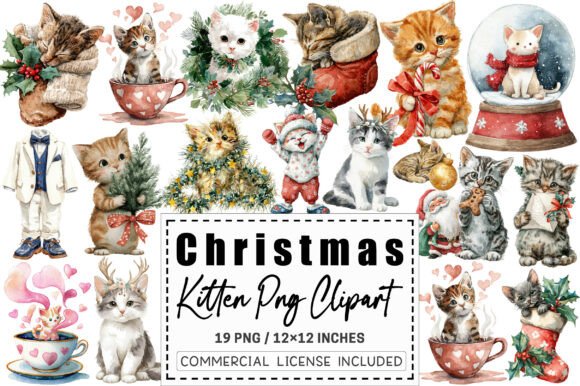
Kitten Christmas Clipart: A Publisher’s Review of Seasonal Illustrations
As a digital publisher and blog designer, I spend half my life worrying about load times and the other half obsessing over whether a visual asset actually builds trust with the reader. When you are curating content for a lifestyle brand, a parenting blog, or a creative small business, every image carries weight. It is not just decoration; it is part of your editorial voice. Recently, I evaluated a specific seasonal asset that has been circulating in creative marketplaces: Kitten Christmas Clipart. This review breaks down how this graphic design asset fits into real-world publishing workflows, from newsletter headers to affiliate marketing visuals.
The First Impression: Editorial Mood and Reader Perception
When you first pull up Kitten Christmas Clipart, the immediate takeaway is warmth. In a digital landscape often dominated by sterile corporate aesthetics or overly aggressive sales graphics, this illustration offers a gentle, inviting entry point. It creates an editorial mood that is playful yet polished. For readers scrolling through their feeds on mobile devices, this visual signal says, "This content is safe, friendly, and curated with care."
This style naturally supports niches that rely on emotional connection. It works exceptionally well for:
- Lifestyle and family-oriented blogs
- Pet-focused content creators
- Holiday-themed gift guides
- Craft and DIY tutorial sites
- Children’s education resources
If your brand identity leans toward modern design with a touch of whimsy, this asset aligns perfectly. However, if your site is strictly B2B tech news, the playful nature might clash with your professional tone. The key is consistency. Does the clipart feel like it belongs in the same universe as your typography and color palette?
Integrating Visual Assets into Your Publishing Workflow
A common mistake bloggers make is treating images as an afterthought. Instead, think of Kitten Christmas Clipart as a core component of your content marketing strategy. Here is how I recommend integrating these illustrations into your actual publishing pipeline.
Featured Images and Social Media Previews
Your featured image is the handshake between your content and the user. Using a high-quality illustration instead of a stock photo can help your posts stand out in crowded social media feeds. When designing a Pinterest pin or a Facebook preview, ensure the kitten graphic is large enough to be recognizable even at thumbnail size. The goal is to stop the scroll. A clean, festive illustration draws the eye faster than cluttered photography.
Newsletter Graphics and Email Headers
Email open rates are declining, but engagement remains high for brands that feel personal. Sprinkling Kitten Christmas Clipart into your email newsletters—perhaps as a header accent or a divider between sections—adds a layer of holiday cheer without overwhelming the text. This is particularly effective for lead magnets or monthly roundups where you want to maintain a consistent brand identity across all channels.
Digital Products and Downloadable Resources
For those creating digital products, such as planners, worksheets, or eBooks, this illustration serves as excellent cover art or interior accent. If you are selling a "Holiday Gift Guide for Pet Lovers," using this clipart on the PDF cover instantly communicates the theme. It transforms a simple document into a branded digital product that feels worth downloading.
Supporting Content Performance Through Design
Good design is not just about aesthetics; it is about performance. Here is how using this specific graphic design asset can improve your metrics.
Stronger First Impression: Humans process visuals 60,000 times faster than text. A cohesive, festive image sets the context immediately, reducing bounce rates for users who were specifically looking for holiday content.
Better Click-Through Potential: On platforms like Pinterest, vertical graphics with clear, cheerful imagery perform better. If you create custom templates in Canva using this clipart, you can produce a batch of pins that look professionally designed, increasing the likelihood of clicks back to your affiliate links or blog posts.
Improved Reader Trust: Consistency breeds trust. If your website uses low-resolution, watermarked, or mismatched images, readers subconsciously question the quality of your advice. By using a unified set of design assets like this clipart series, you signal that your site is maintained with attention to detail.
Where This Asset Works Best
To maximize the value of Kitten Christmas Clipart, place it strategically within your visual hierarchy:
- Hero Images: Use it as a subtle background element or a primary focal point for holiday landing pages.
- Editorial Accents: Place small versions next to pull quotes or important tips within long-form articles.
- Category Thumbnails: Create a distinct visual category for "Christmas" or "Holidays" on your homepage archive.
- Printable Designs: Ideal for coloring pages, greeting cards, or holiday checklists offered as freebies.
Caution Areas: Where to Use It Carefully
No single asset is universal. There are contexts where Kitten Christmas Clipart might undermine your goals:
- Small Mobile Thumbnails: If the details are too intricate, they will blur on small screens. Always test at 50px width.
- Text-Heavy Blog Images: Avoid placing this over busy backgrounds or dense text blocks. It needs breathing room to be effective.
- Serious Professional Niches: If you are writing about financial planning or legal advice, a cartoon kitten may detract from the authority of your message.
- Low-Contrast Backgrounds: Ensure the colors pop against your site’s background. If your site is dark mode, verify the clipart has enough contrast to remain visible.
Practical Publisher Notes for Implementation
Before dropping this asset into your WordPress editor or Canva template, run it through this checklist:
Technical Checks:
- File Size: Optimize the PNG or JPG. Large files slow down your site, hurting SEO. Use tools like TinyPNG to compress without losing quality.
- Resolution: Ensure the source file is high-resolution (300 DPI) if you plan to use it for printables, but screen-optimized (72 DPI) for web use.
- Format: Use SVG if possible for crisp scaling, or transparent PNGs to blend seamlessly with any background color.
Design Integration:
- Font Pairing: Test the clipart alongside serif fonts for a classic look, sans-serif for modern clarity, or script fonts for a handwritten, personal feel. See which combination reinforces your brand identity.
- Black and White Test: Convert the image to grayscale. Does it still hold its shape? If the design relies entirely on color, it may lose impact when printed or viewed in accessibility modes.
- Layout Preview: Place the image inside a real blog post layout. Does it distract from the headline? Adjust opacity or size until it complements rather than competes with your copy.
Licensing:
Finally, always confirm your commercial license. Even if you are a small business owner, using assets without proper rights can lead to legal issues. Ensure the license allows for use in monetized websites, affiliate marketing campaigns, and paid digital downloads. Most reputable creative marketplaces provide clear terms, but never assume.
Final Thoughts on Visual Storytelling
In the world of digital publishing, we are competing for attention in a noisy environment. Kitten Christmas Clipart is more than just a cute picture; it is a tool for emotional engagement. When used thoughtfully, it enhances your editorial design, supports your content marketing efforts, and helps build a memorable small business branding presence. Whether you are updating your website header for the holidays or creating a new lead magnet, this illustration offers a versatile, charming solution that resonates with readers. Just remember to test, optimize, and align it with your overall visual strategy.