Cute Christmas Deer Baby Crochet Yarn Review
As a designer who spends more time than I care to admit staring at stitch charts and fabric swatches, I approach every new machine embroidery design with a healthy dose of skepticism. The market is flooded with generic holiday motifs, but finding something that balances whimsy with technical feasibility is rare. That is why I decided to put the Cute Christmas Deer Baby Crochet Yarn file through its paces. This isn’t just another clipart vector; it is an illustrations-based embroidery file that promises a specific texture and mood. My goal here is to determine if this design has enough character for a high-end handmade product or if it falls flat when translated into thread.
First Impressions: Mood and Visual Personality
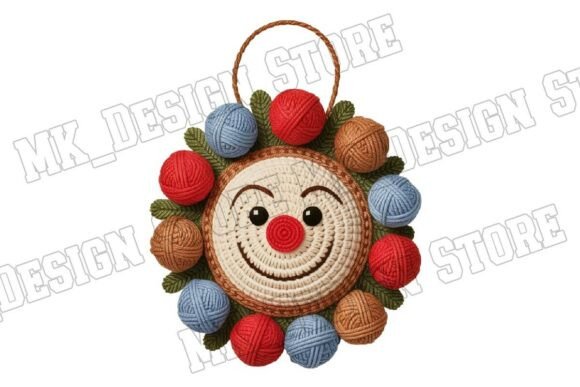
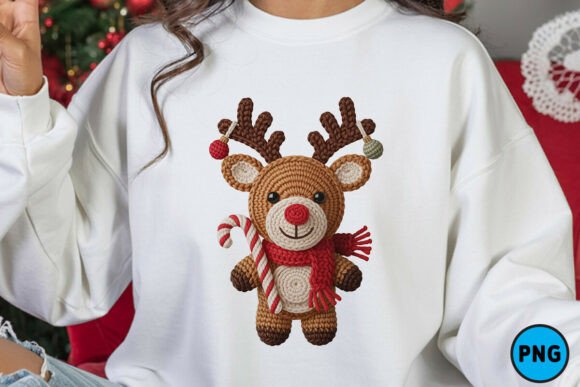
The moment you load the design into your digitizing software, the personality of the Cute Christmas Deer Baby Crochet Yarn jumps out. It does not feel like a rigid, corporate holiday icon. Instead, it evokes a cozy, rustic charm that feels right at home in a boutique nursery or a farmhouse-style kitchen. The central figure is a deer, rendered in a way that mimics the soft, looped texture of crochet yarn. This is crucial because it tells us immediately how the machine should interpret the shapes. It suggests a reliance on satin stitch outlines and perhaps some lighter fill stitch areas to simulate fluffiness rather than dense, hard plastic-looking fills.
For designers looking to create a cohesive brand identity, this design offers a distinct visual anchor. It is playful without being childish, which is a difficult balance to strike. The layout feels balanced, leaving enough negative space around the deer so that adding text or smaller accents won’t clutter the final look. It creates a mood of warmth and nostalgia, perfect for the holiday season, but versatile enough to linger as a year-round decorative piece if styled correctly.
Real-World Application: Where This Design Shines
I took this design out of the digital realm and tested it on several different substrates to see where it truly belongs. The first test was on a cream-colored cotton canvas tote bag. The result was immediate success. The light background allowed the thread colors to pop, and the "crochet" aesthetic of the deer complemented the natural texture of the canvas. This is a classic tote bag design candidate that would sell well at craft fairs or on Etsy. It feels personal and thoughtful, exactly what customers look for in a personalized gift.
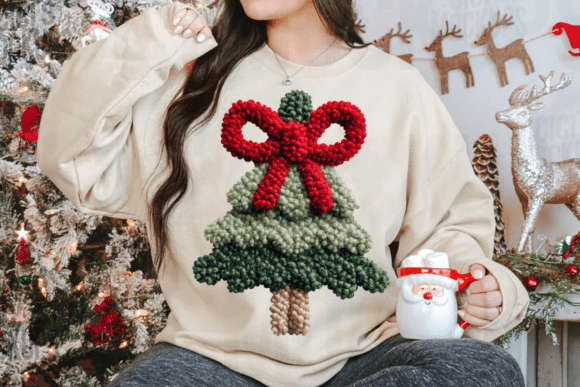
Next, I moved to apparel. Embroidering this onto a heavyweight heather grey sweatshirt created a stunning contrast. The slightly muted tone of the fabric grounded the bright, festive colors of the deer, preventing it from looking too garish. This is ideal for sweatshirt embroidery projects targeting teens or adults who want subtle holiday spirit. However, I also tested it on baby bodysuits using soft jersey knit. Here, the design’s gentle curves and lack of aggressive angles made it perfect for baby embroidery. It looks tender and safe, which is paramount when selling to parents.
Another surprising use case was on kitchen textiles. I stitched the design onto a flour sack tea towel. The rustic vibe of the deer paired beautifully with the rough weave of the towel. It transformed a basic utility item into a charming holiday embroidery accent. Similarly, on a linen pillow cover, the design added a touch of elegance that could elevate a living room’s seasonal decor. These examples show that the design assets are versatile enough for commercial embroidery across multiple categories, from fashion to home goods.
Stitch Clarity and Technical Performance
From a technical standpoint, the digitization holds up well under scrutiny. The stitch density appears moderate, which prevents the fabric from becoming stiff or distorted—a common issue with poorly digitized designs. The edges of the deer are defined by clean satin stitch work, ensuring that even small details remain visible after washing. There are no overly long running stitch segments that might tangle easily, which speaks to a professional level of quality control. For Etsy sellers and small shop product creators, this reliability is key. You want a design that looks good off the hoop and stays that way.
The color palette implied by the design—likely warm reds, deep greens, and creamy whites—works harmoniously. When I simulated these colors in black and white mockups, the contrast levels remained strong, indicating that the design will maintain its legibility regardless of the lighting conditions in a retail setting or online listing.
Where to Exercise Caution
Despite its strengths, there are specific scenarios where this design requires careful handling. First, avoid placing this on highly textured fabrics like heavy wool blankets or thick fleece unless you use a substantial cut-away stabilizer. The intricate "yarn" details might get lost in the nap of the fabric. Similarly, thin fabrics like silk or lightweight polyester blends need a tear-away stabilizer to prevent puckering, especially around the denser fill stitch areas.
Small hoop sizes are another potential pitfall. While the design is likely compact, trying to fit all the fine details into a 4x4 inch hoop can sometimes compromise clarity. If you are creating tiny embroidered patches or embellishing small accessories, ensure the detail resolution is sufficient. On stretchy fabrics like spandex blends, always stabilize thoroughly to maintain the shape of the deer, as stretching can distort the symmetry of the face and antlers.
Additionally, consider the end-user maintenance. If this design is going on a garment that will be washed frequently, such as a child’s pajama top, verify that the thread colors are colorfast. Dark fabrics can sometimes mute the brightness of pastel yellows or creams, so test the contrast before committing to a large production run.
Designer’s Notes for Best Results
To get the most out of the Cute Christmas Deer Baby Crochet Yarn file, I recommend starting with a scrap fabric test. Check the thread colors against your actual fabric choice. Sometimes screen representations differ significantly from real-world dye lots. Inspect the small details, particularly around the eyes and nose, to ensure they are not merging together during stitching.
Always confirm the recommended hoop size provided by the creator. Using a hoop that is too small can lead to trimming errors or missed stitches. If you are planning to add text, leave ample breathing room around the deer graphic. A crowded design loses its charm. For digital product sellers, creating printable mockups that show the design on various backgrounds (like wood grain, solid pastels, or busy patterns) can help buyers visualize the final finished product.
Finally, check the licensing terms carefully. Even though this is a digital embroidery file, commercial rights vary. Ensure you have permission to sell finished items featuring this design, especially if you are operating a craft business at scale. Understanding these boundaries protects your reputation and legal standing.
Final Verdict
The Cute Christmas Deer Baby Crochet Yarn design is a standout addition to any holiday library. It combines artistic appeal with technical soundness, making it suitable for everything from custom apparel to nursery decor. Its ability to convey warmth and craftsmanship makes it a powerful tool for brand consistency in handmade businesses. Whether you are a seasoned pro or a hobbyist looking to upgrade your offerings, this design delivers both style and substance. Just remember to respect the fabric and the mechanics of embroidery, and it will reward you with a beautiful, marketable creation.